What We Do

Services

Here's the full rundown of what we pour, repair and build.

Home › Services

Everything we take on

Every job below is one we do ourselves across Elk Grove.

Concrete Driveways

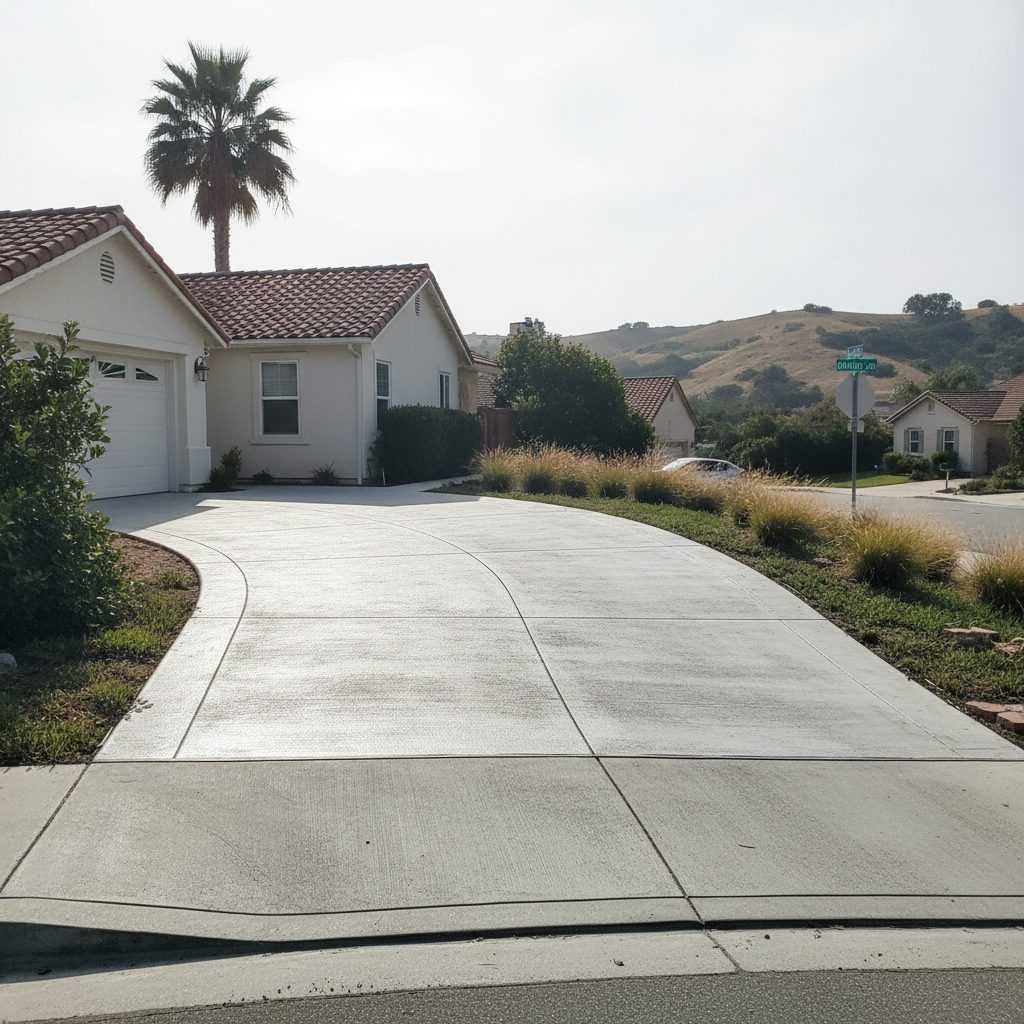
A driveway takes more abuse than almost any slab on your property, between daily tire weight and the way our clay soil shifts underneath it. We use rebar instead of mesh on driveways carrying regular vehicle traffic, and we pour at the thickness the load actually needs, usually 4 to 6 inches. Expect to stay off it for about a week before regular driving, longer if it's an RV or trailer.

Concrete Patios

Patios don't carry vehicle loads, so the mix and reinforcement are different from a driveway, but drainage still matters just as much. We slope every patio away from the house, about a quarter inch per foot, so water doesn't sit against your foundation. Broom finish, exposed aggregate, or stamped, whatever fits the rest of your yard.

Stamped Concrete

Stamped concrete gets you the look of flagstone, slate, or brick without the cost of setting individual stone. The color has to go down while the concrete is still plastic, so timing the stamp and the release agent right is most of the job. Done wrong it looks like a rubber stamp pattern, done right you forget it's not real stone.

Concrete Foundations & Slabs

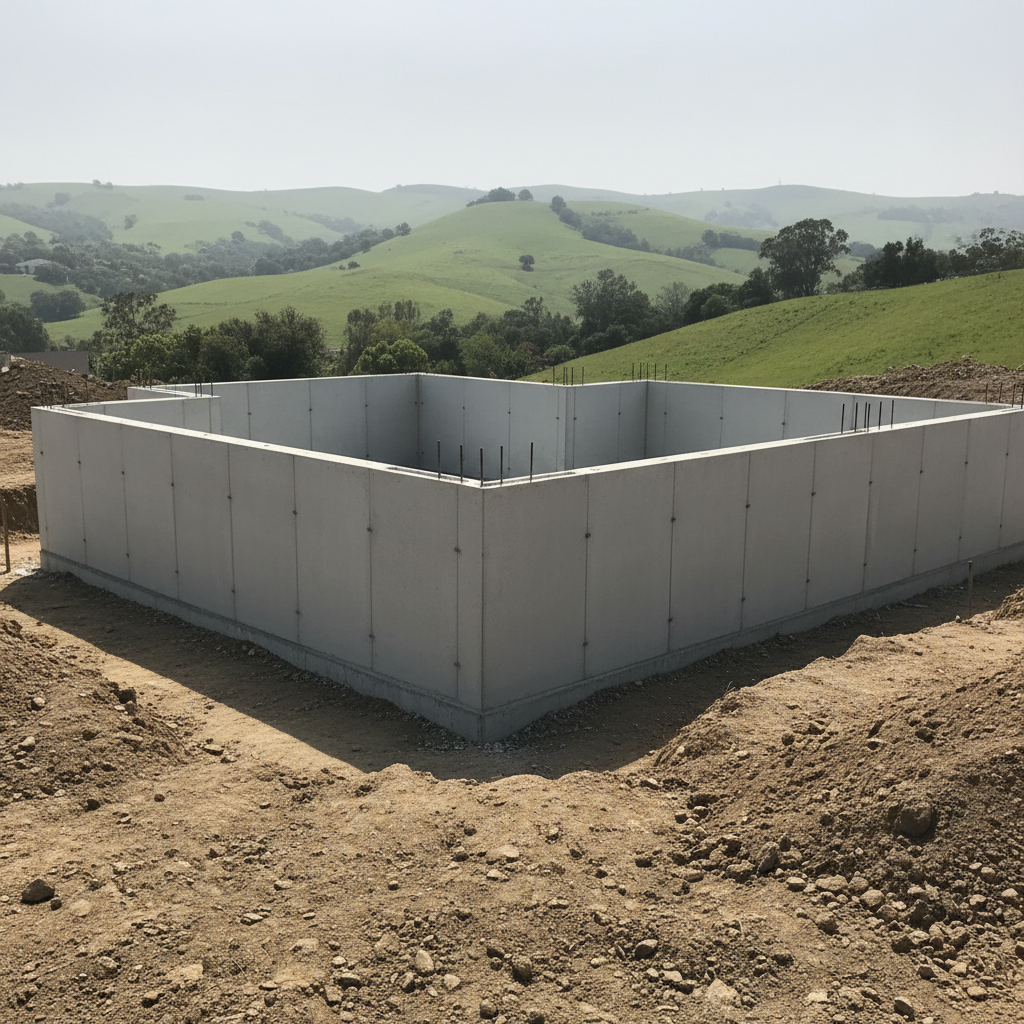
We pour slab foundations for additions, garages, and outbuildings, which means getting the excavation, forms, and rebar grid right before any concrete shows up. Footings get dug to the depth the soil and local code call for, not a guess. A bad foundation pour is the most expensive mistake to fix later, so we don't rush this part.

Concrete Walkways & Sidewalks

Front walkways are usually 3 to 4 inches thick and take lighter reinforcement than a driveway, but they still need a compacted base and proper joint spacing. We match the broom finish and joint pattern of your existing walkway where we're extending it, so the new section doesn't stick out.

Concrete Repair

Cracked slabs, sunken sections, spalling surfaces, we see all of it. Sometimes a crack is just cosmetic and gets filled and sealed, sometimes it means the slab is sinking and needs mudjacking or full replacement. We'll tell you honestly which one you're dealing with before you spend money on the wrong fix.

Concrete Steps & Porches

Steps have to meet consistent rise and run or they become a trip hazard, and that's where a lot of rushed pours go wrong. We form and pour steps to code, with a broom or exposed finish that won't turn slick when it rains.

Exposed Aggregate Concrete

Washing back the top layer of cement paste exposes the stone underneath, which gives you a textured, slip-resistant surface that holds up well around pools and patios. We control how much paste comes off so the aggregate shows evenly across the whole slab, not just in patches.

Retaining Walls

A retaining wall is holding back soil and water pressure, not just sitting there for looks, so drainage behind it matters more than most people realize. We put in drainage rock and a drain pipe behind every wall we build, so it isn't fighting a buildup of water it was never designed to hold.

Concrete Pool Decks

Pool decks need a broom or knockdown finish with real slip resistance, since this is one surface on your property that's wet most of the year. We also keep the deck sloped away from the pool edge so runoff doesn't drain back into the water.

Block & Brick Masonry

Beyond flatwork, we lay block and brick for garden walls, planters, mailbox columns, and small structural work. Mortar joints get tooled consistently so the wall doesn't just hold up, it looks like someone who's done this laid it.

How It Works

Four steps, and no surprises in any of them.

01

We come and look

You tell us what you want doing, we look at what is actually there, and we ask the awkward questions early.

02

You get a price

In writing, itemised, free. If something might add cost later we flag it now rather than at the end.

03

We do the work

Same crew throughout. We cover your floors, keep the dust down and tidy up before we leave each day.

04

We walk it with you

You point out anything you are not happy with and we fix it before the invoice, not after.

Where We Work

All of this, across Elk Grove, CA

We bring crew and equipment out to these areas for every job on this list.

Elk Grove, CA
Sacramento, CA
Roseville, CA
Citrus Heights, CA
Folsom, CA
Rancho Cordova, CA
Davis, CA
Lodi, CA
Carmichael, CA
Woodland, CA
Galt, CA
Common Questions

Things worth asking

What tends to come up once a project actually gets scheduled.

Do I need a permit to pour a new driveway or patio?
Most cities, including Elk Grove, require a building permit for new driveways over a certain size, foundation slabs, and retaining walls above a set height, usually 3 to 4 feet. Simple patio replacements or small repair work often don't need one, but it depends on the local building department. A contractor pulling the permit should handle the inspection scheduling as part of the job.
How long does a typical concrete project take?
A standard driveway or patio pour takes one to three days for forming, pouring and finishing, then a curing period before use. Concrete needs about 24 to 48 hours before foot traffic and roughly 5 to 7 days before regular vehicle traffic. Full cure strength takes closer to 28 days, though the slab is usable well before that point.
Can you work within a specific budget?
Yes, a concrete contractor can adjust the scope, finish, or reinforcement to fit a stated budget, for example choosing a broom finish over stamped concrete or reducing the slab thickness where the load allows it. Being upfront about the budget during the estimate helps the contractor suggest where to save money without cutting corners on base prep or structural elements.
Do you offer any kind of guarantee on the work?
Reputable concrete contractors typically warranty their workmanship against cracking, settling, or finish defects for one to several years, separate from any manufacturer warranty on sealers or coloring products. Concrete does naturally develop hairline cracks over time due to shrinkage, which is normal and usually not covered. Ask specifically what the workmanship warranty covers before signing a contract.
Will I be dealing with the same crew throughout the job?
On most concrete jobs, a single crew handles the project from forming through finishing, with the crew lead as the main point of contact. Larger jobs with multiple pours may bring in additional hands for a single day, but the same foreman typically oversees the whole project. Ask upfront whether the estimator is also the person running the crew.
What's the difference between using rebar and wire mesh?
Rebar provides stronger reinforcement and holds its position better during the pour, making it the better choice for driveways, foundations, and any slab carrying vehicle loads. Wire mesh is lighter and cheaper, suited to patios, walkways, and other slabs that only carry foot traffic. Mesh that isn't properly supported during the pour often ends up sitting at the bottom of the slab, doing almost nothing.
Can I still use my driveway or yard during the work?
Access to a driveway or patio under construction is blocked for the one to three days of pouring and finishing, plus the curing period before it can handle weight. Alternate parking or a temporary path is usually needed during that window. A contractor should walk through the access plan before the start date so there are no surprises.
What do I need to do to prepare the site before you arrive?
Clearing the work area of furniture, planters, vehicles, and sprinkler heads before the crew arrives speeds up the job and avoids damage to personal property. Marking the location of any irrigation lines, gas lines, or septic components in the pour area is also important. The contractor typically handles excavation, forming, and base compaction once the site is clear.
What happens if you find a problem once the old concrete is removed?
Demolition sometimes reveals soft or wet soil, old tree roots, or an undersized existing footing that wasn't visible before the work started. In that case the contractor should stop, explain the issue, and price any additional excavation, base material, or drainage work before continuing. Proceeding without fixing a bad subgrade just reproduces the same cracking problem in the new slab.
How do I take care of new concrete after it's poured?
New concrete should stay damp and covered for the first several days to cure properly, especially in hot weather, and should be kept free of vehicle traffic for about a week. Sealing a driveway or patio every two to three years helps resist staining, salt damage, and surface wear. Avoid using deicing salts on new concrete during its first winter, since it's more vulnerable to salt scaling before it's fully cured.

Not sure what you need?

Describe the problem and we will tell you what it probably is. No obligation.

Call (916) 249-4667